


Putting a home on the market is relatively easy.
Getting a buyer to choose your home when they have plenty of other options is the harder part.
That distinction matters in a competitive market like Montgomery County, where buyers may have dozens of homes to compare before deciding which ones are worth seeing in person—and which ones they can eliminate with a quick scroll online.
For sellers, that means simply putting a sign in the yard and uploading the listing isn't enough.
Your home has to compete for attention.
And once you have a buyer's attention, the price, presentation and overall strategy need to give them a reason to keep looking.
Why More Inventory Changes the Selling Strategy
When buyers have fewer homes to choose from, sellers can sometimes get away with a less-than-perfect presentation.
When buyers have more options, that changes.
A buyer who doesn't love the first home they see can simply move on to the next one.
That's why inventory matters so much to sellers.
The question isn't just:
“Can I sell my home?”
It's:
“Why would a buyer choose my home over the other homes they're considering?”
That is the question your listing strategy should answer.
Getting Listed Is Not the Same as Getting Chosen
A listing can technically be “on the market” without doing much to attract buyers.
The difference often comes down to four things:
1. Price
Price gets your home into the right conversation.
If a home is priced significantly above comparable properties, buyers may never consider it in the first place.
And if the price doesn't align with the home's condition, location, features and competition, the listing can spend valuable time sitting while buyers move on to other options.
Pricing isn't about picking the highest number you would like to receive.
It's about understanding where your home fits within the choices buyers have today.
2. Presentation
Buyers don't experience your home the same way you do.
You may have lived with a particular paint color, furniture arrangement or cluttered countertop for years without noticing it.
A buyer sees it differently.
Before listing, look at the home through the eyes of someone seeing it for the first time.
Does it feel clean and well-maintained?
Does the layout feel easy to understand?
Are the best features obvious?
Does the exterior create a strong first impression?
Small improvements can sometimes have a meaningful impact on how a home is perceived.
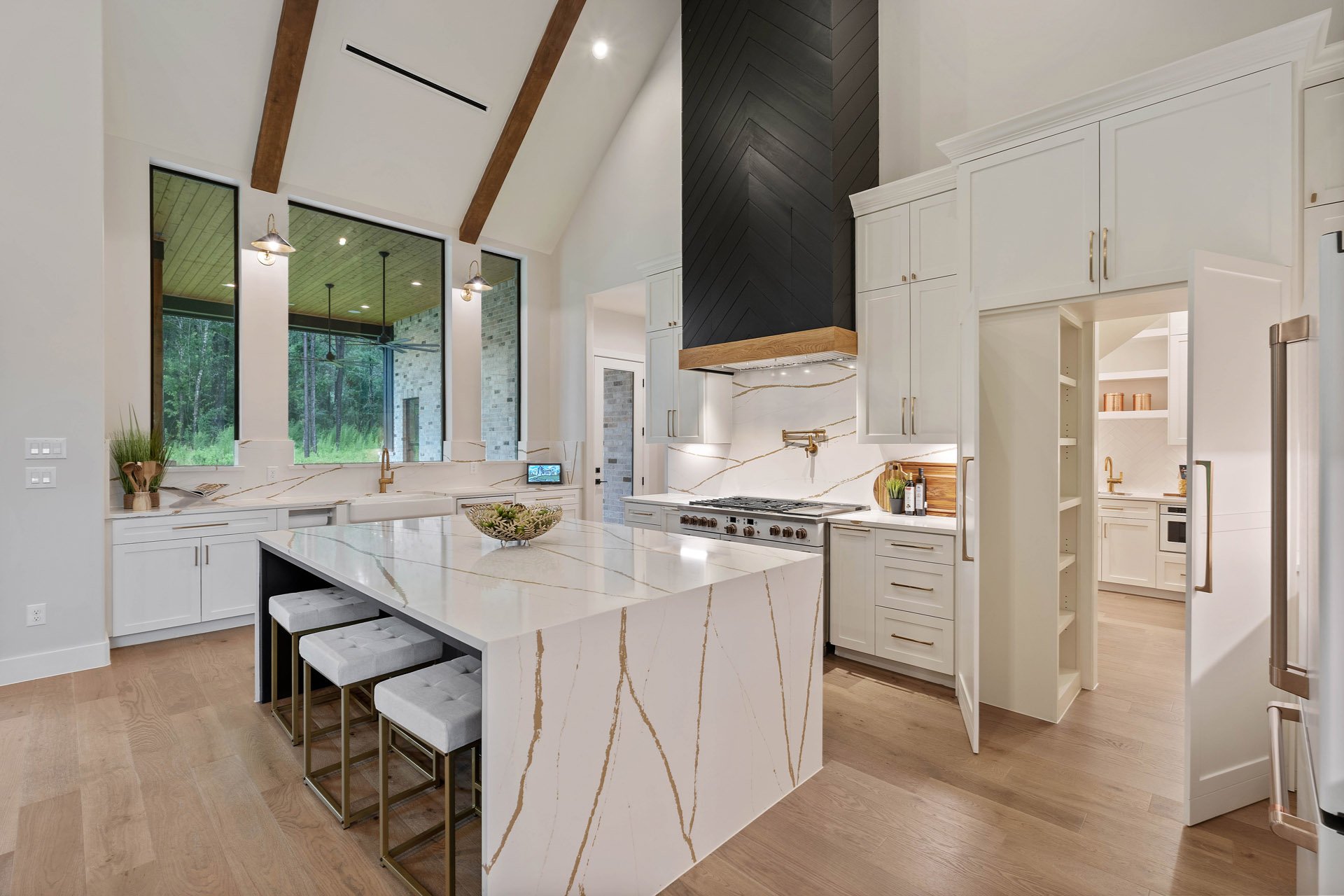
3. Photography
Your listing may get its first showing before a buyer ever walks through the front door.
That first showing happens online.
Photos are often what determine whether someone stops scrolling, clicks into the listing and starts imagining themselves in the home—or moves on to the next property.
Good listing photography should do more than document the rooms.
It should help communicate the experience of living there.
That means showing the home's best features, creating a sense of flow and giving buyers a reason to want to see it in person.
4. Marketing
Getting the listing online is only the beginning.
A strong marketing strategy should give the property multiple opportunities to reach the right buyers.
That might include targeted digital marketing, social media, email, listing syndication, property-specific websites, print materials or other channels depending on the home and its likely buyer.
The goal isn't simply to generate as many views as possible.
It's to put the property in front of the buyers most likely to see its value.
Buyers Are Comparing Your Home to More Than Just Recent Sales
One of the biggest mistakes sellers can make is thinking only about what similar homes have recently sold for.
Recent sales are important—but they're only part of the picture.
Today's buyer may be comparing your home against:
- A new construction home with builder incentives
- A recently renovated resale
- A home with a larger lot
- A property in a different neighborhood at a similar price
- A home with more updates
- A property that has been priced more aggressively
Your competition isn't necessarily identical to your house.
Your competition is whatever else gives your buyer a reason to spend their money somewhere else.
That's why understanding the current competition is so important before deciding on a list price and marketing strategy.
What Happens When a Home Doesn't Get Chosen?
Sometimes sellers assume that if a home doesn't receive an offer quickly, they simply need to wait.
Sometimes that's true.
But sometimes the market is giving you useful information.
If buyers are consistently clicking on the listing but not scheduling showings, the presentation may need attention.
If buyers are touring the property but not making offers, price, condition or the property's perceived value may need to be reconsidered.
If the home isn't generating much activity at all, the listing may not be positioned competitively enough to get buyers through the door.
The important thing is to pay attention to the difference between activity and results.
A lot of online views don't necessarily mean a listing is positioned well.
And a home sitting on the market doesn't automatically mean something is wrong with the property.
The right response depends on what the market is actually telling you.
A Strong Launch Matters
One of the most valuable opportunities a seller has is the moment a home first hits the market.
That's when the property is new.
Buyers who have been watching the market may notice it immediately. Agents may send it to clients. Your existing network may see it. Online platforms begin collecting activity.
You don't get to recreate that first impression later.
That's why preparation should happen before the listing goes live—not after several weeks have passed without the activity you expected.
The goal is to launch with:
- A competitive price
- Strong photography
- A clean, well-presented property
- Accurate and compelling listing information
- A marketing plan
- A clear understanding of the competition
- A strategy for responding to buyer feedback
The Market Still Has Opportunity for Sellers
A market with more choices for buyers isn't a market where homes can't sell.
Homes sell in every kind of market.
The difference is that the strategy matters.
Sellers have to recognize that buyers are making comparisons, and the homes that stand out aren't necessarily the biggest, newest or most expensive.
They're the homes where the price, condition, presentation and overall value make sense together.
That's what positioning is really about.
Before You List, Ask One Question
Instead of asking:
“What can I get for my house?”
Start with:
“Why would a buyer choose my house over the other options available right now?”
That question changes the conversation.
It forces you to look at your home from the buyer's perspective instead of only from your own.
And that's where a strong selling strategy begins.
Frequently Asked Questions About Selling a Home in a Competitive Market
• How do I make my home stand out when there are many homes for sale?
Focus on the things buyers can compare immediately: price, condition, presentation, photography and overall value. Your home doesn't have to be the most expensive or most updated property available—it needs to make sense within the choices buyers are considering.
• How important is pricing when selling a home?
Pricing is one of the most important parts of a listing strategy because it determines which buyers see the property as a potential fit. Pricing should consider recent comparable sales, current competition, condition, location and the features that distinguish your home.
• Should I make improvements before listing my home?
Potentially, but not every improvement is worth making before a sale. The goal is to identify changes that can improve the home's presentation or perceived value without spending money on renovations buyers may not value.
• Why aren't buyers showing interest in my home?
There are several possible reasons, including price, presentation, photography, marketing reach, competition or changing buyer demand. Looking at where buyers are dropping off—online, at showings or after receiving information—can help identify what needs to change.
• How long should I wait before changing the price?
There isn't one universal timeline. Sellers should monitor showing activity, online engagement, buyer feedback and the performance of competing listings. If the market is consistently signaling that the home isn't positioned competitively, waiting longer doesn't necessarily solve the underlying issue.
• Is it harder to sell a home when buyers have more choices?
More choices can give buyers more ability to compare properties, which means sellers may need to be more deliberate about pricing, presentation and marketing. A home can still sell successfully, but simply being listed may not be enough to attract the right buyer.
The Bottom Line
Getting listed is not the same thing as getting chosen.
When buyers have options, every part of your listing has a job to do.
The price needs to make sense.
The presentation needs to make a strong first impression.
The photography needs to earn the click.
The marketing needs to reach the right audience.
And the strategy needs to respond to what the market is telling you.
Because the goal isn't simply to get your home on the market.
The goal is to give a buyer a reason to choose it.
Check out this article next