Conversion in progress ...
Please wait while we generate your PDF
The Gold To Sold Guide to Buying a Home
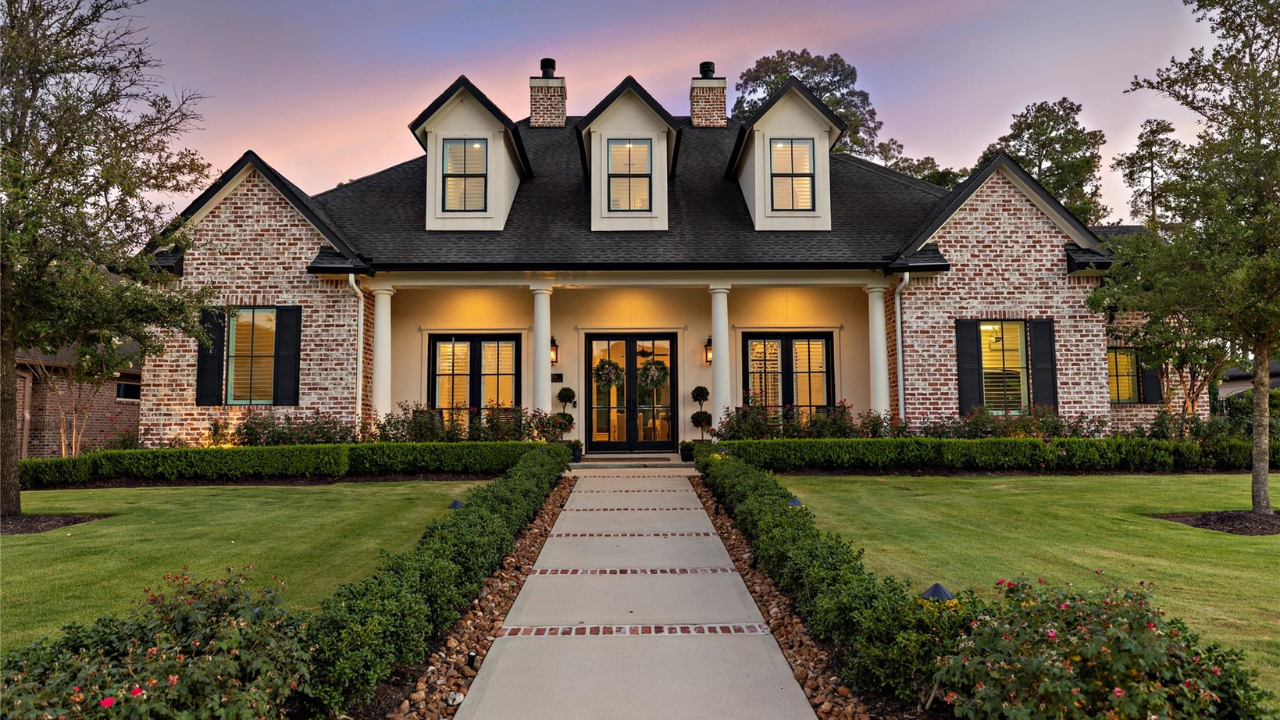
Buying a Home Is About More Than Finding the Right House
A smarter approach to navigating the home-buying process with confidence.
Whether you're buying your first home, moving up, relocating to North Houston, or searching for something that better fits the way you live, the process can feel complicated quickly.
This guide is designed to simplify it.
We'll walk through the decisions that matter—from understanding your numbers and evaluating a property to making a strategic offer, navigating the contract, and thinking beyond closing.
Because the goal isn't simply to buy a house. It's to buy the right home, on terms that make sense for you, with a strategy you can feel confident about.
01 — Start With Your Numbers
Before you fall in love with a house, know what makes sense for your life.
The right home isn't necessarily the most expensive home you can qualify for. It's the one that fits comfortably within your overall financial picture—and leaves room for everything else life requires.
Before you start touring homes, take a clear look at what you're comfortable spending each month and what you'll need to bring to the closing table.
Your purchase price is only part of the equation. Property taxes, homeowners insurance, HOA or community fees, utilities, maintenance, and other ownership costs can all affect what a home actually costs you over time.
The goal isn't to find your maximum budget. It's to find your comfortable budget.
Your Home-Buying Numbers Checklist
Before you start your search, make sure you understand these five numbers.
Comfortable Monthly Payment
Don't base your budget solely on what a lender says you qualify for. Consider what monthly payment feels comfortable alongside your other financial priorities.
Purchase Price
Your purchase price affects more than your mortgage. In Texas, property taxes and insurance can make a meaningful difference in the total monthly cost of ownership.
Cash to Close
Plan for more than your down payment. Depending on your situation, you'll also need to account for closing costs, prepaid expenses, inspections, and other upfront costs.
Cash Reserves
Buying a home shouldn't leave you with nothing in the bank. Maintaining a healthy reserve can give you flexibility for unexpected repairs, maintenance, or simply the surprises that come with homeownership.
Your Long-Term Picture
Think beyond the first year. Ask whether the payment, location, home size, and expected maintenance make sense for where you expect your life to be in the next few years.
02 — KNOW WHAT YOU'RE ACTUALLY LOOKING FOR
The best home search starts with knowing what matters most to you.
Square footage, bedroom count and price are useful filters—but they don't tell the whole story.
Think about how you actually live. Do you need a dedicated office? Is a large backyard important? Would you rather have a smaller home in a location you love than more space farther away? Are you planning to stay for several years, or could your needs change sooner?
The answers will help you distinguish between must-haves, nice-to-haves, and compromises worth making.
A clear list of priorities makes it easier to recognize the right home when you find it—and prevents you from getting distracted by features that look great but don't actually improve the way you live.
BUILD YOUR HOME SEARCH PRIORITIES
Before you start touring, separate your wants from the things that truly matter.
Must-Haves
The things a home needs to have for it to work for your life. Think location, bedroom count, school considerations, accessibility, commute, or other non-negotiables.
Nice-to-Haves
Features you'd love to have but wouldn't automatically walk away without—such as a pool, media room, oversized lot, updated kitchen, or three-car garage.
Lifestyle
Think about how you'll use the home every day. Entertaining, working from home, outdoor living, hobbies, pets, storage, and future needs can all influence what "the right home" looks like.
Location
You can change paint, flooring and fixtures. You can't move the house. Consider the neighborhood, proximity to the places you frequent, traffic patterns, amenities, schools, and how the area fits your lifestyle.
Future You
Don't only evaluate whether the home works today. Consider whether it will still make sense if your family, work situation, or priorities change over the next several years.

03 — Choose the Right Location
You can change the house. You can't change where it sits.
A beautiful home in the wrong location can become a frustrating purchase. The right location, on the other hand, can make an ordinary Tuesday feel easier—and a home feel like a much better fit.
When you're evaluating an area, think beyond the address and consider how it supports the way you actually live. Your commute, schools, shopping, dining, recreation, traffic patterns, and everyday conveniences all play a role.
In a market as diverse as North Houston, "location" can mean very different things—from commute patterns and school zones to access to The Woodlands, major employment centers, recreation, and the amenities that shape your everyday life.
And don't look only at what an area offers today. New development, infrastructure, commercial growth, and changing amenities can influence how a community evolves over time.
The right location isn't necessarily the most popular one. It's the one that works for you now and makes sense for where you're headed.
Look Beyond the Address
Before you fall in love with a home, evaluate the bigger picture.

Daily Drive
How long will it realistically take to get where you need to go? Test the commute at the times you'll actually be traveling—not just in the middle of the day.

Schools
Even if you don't have school-age children, school zones can influence demand and future resale appeal. Verify the current zoning rather than relying on an online listing.

Everyday Convenience
Consider how close you are to groceries, healthcare, restaurants, shopping, parks, gyms, and the other places that make daily life easier.

Traffic & Access
Look at major roads, highway access, planned improvements, and typical traffic patterns. A location that looks convenient on a map may feel very different during rush hour.

Community
Think about the character of the neighborhood, amenities, HOA or community structure, lot sizes, surrounding homes, and what the area feels like at different times of day.

What's Coming Next
Research nearby development and infrastructure. New roads, commercial projects, residential growth, and other changes can affect both convenience and long-term appeal.
04 — Evaluate the Home, Not Just the Features
Beautiful finishes are easy to notice. The things that matter most aren't always visible in the listing photos.
It's easy to fall in love with a kitchen, a dramatic entryway, or a beautifully designed primary suite. But when you're making a significant investment, it's important to look beyond the finishes.
Pay attention to the home's condition, layout, natural light, storage, privacy, outdoor spaces, and the relationship between the home and its surroundings.
Think about how the property will function on an ordinary day—not just how it looks during a 20-minute showing.
The best home isn't necessarily the one with the longest feature list. It's the one that works beautifully for the way you live.
What to Look for During a Showing
Slow down. Look beyond the finishes.
Layout
Does the floor plan work naturally for your daily routines? Think about traffic flow, privacy, entertaining, furniture placement, and how the spaces connect.
Light
Notice where natural light comes from and how it changes throughout the home. A beautiful room can feel very different depending on the time of day.
Condition
Look beyond cosmetic updates. Pay attention to the age and apparent condition of major systems, windows, roof, foundation, plumbing, electrical, and other significant components.
Storage
Open the closets. Look at the pantry, garage, cabinetry, attic, and other storage areas. Insufficient storage is something you'll notice every day after the excitement of closing wears off.
Noise & Privacy
Listen. Can you hear traffic, neighboring homes, mechanical equipment, or other sources of noise? Consider sightlines into the property and how much privacy the home actually provides.
Outdoor Space
Don't treat the backyard, patio, balcony, or other outdoor areas as an afterthought. Think about how you'll use them, how much maintenance they require, and whether the space adds meaningful value to your lifestyle.
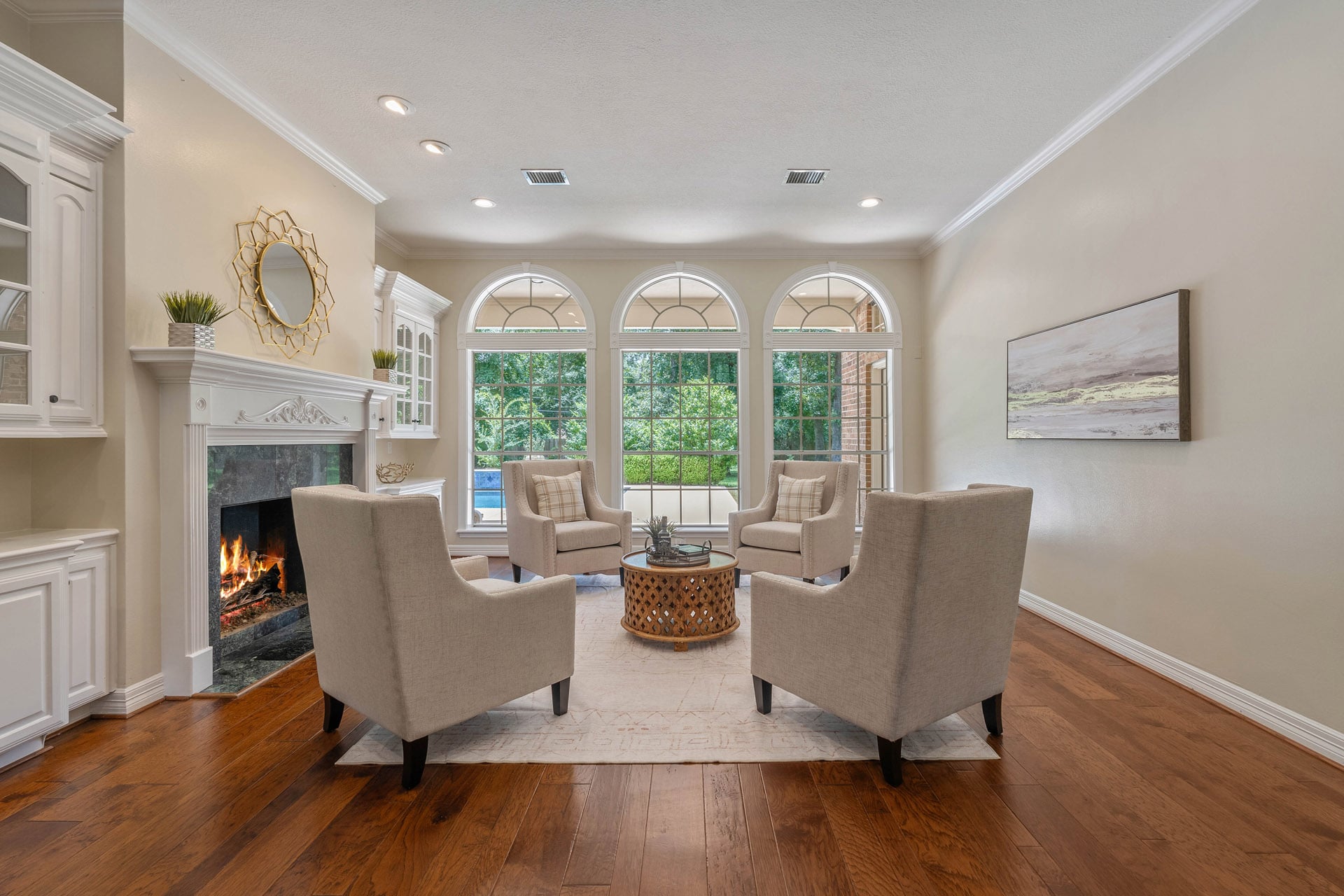
05 — Make the Right Offer
Price matters. But it's only one part of a strong offer.
Once you've found the right home, the next step is deciding how to structure your offer. This is where preparation and strategy can make a meaningful difference.
A strong offer considers more than the purchase price. Financing, timing, contingencies, earnest money, the option period, and other terms can all influence how attractive an offer is to a seller.
The right strategy depends on the property, the market, the seller's priorities, and the competition you're facing. An offer that makes sense for one home may be completely wrong for another.
The goal isn't simply to win the house. It's to put yourself in the strongest position without giving away more than you need to.
What Makes an Offer Strong?
The best offer balances price, terms, and protection.
PRICE
Purchase Price
A competitive price matters, but paying more isn't always the best strategy. The right number should reflect the property's value, current competition, and your overall goals.
Comparable Sales
Recent sales and current competition help provide context for what the home may be worth—not just what the seller is asking.
Your Comfort Level
Know your ceiling before negotiations begin. The goal isn't to win at any cost; it's to make a purchase that still makes financial sense after the excitement wears off.
TERMS
Timing
Your proposed closing date and flexibility may matter to a seller, particularly when they're coordinating another purchase or a move.
Financing & Certainty
The strength of your financing, type of loan, down payment, and overall ability to close can influence how attractive your offer looks.
Contract Terms
Earnest money, the option period, contingencies, and other terms can affect both the seller's confidence in the offer and your protection as a buyer.
Before You Submit an Offer
A few questions worth answering before you decide what to put on paper.
What Is the Home Really Worth?
Look at recent comparable sales, current competition, the property's condition, and how the home is positioned—not simply the seller's asking price.
How Competitive Is the Situation?
A home that's been on the market for several weeks may call for a very different strategy than a new listing attracting multiple buyers.
What Matters to the Seller?
Price may be the priority—or the seller may care just as much about timing, certainty, flexibility, or other terms.
Where Are You Willing to Be Flexible?
Know your limits before negotiations begin. Decide which terms are important to you and where you have flexibility.
What Happens If Things Don't Go as Planned?
Understand the protections built into your offer and contract. Your strategy should account for inspections, financing, appraisal, and other potential issues.
06 — Understand Your Options
The smartest choice isn't always the newest home or the best deal—it’s the home that best aligns with your priorities and long-term plans.
One of the biggest decisions you'll make during your home search is whether to buy a brand-new home or an existing property.
New construction can offer modern floor plans, new systems, builder warranties, and opportunities for customization. An existing home may offer an established neighborhood, mature landscaping, a larger lot, a more central location, or the opportunity to negotiate directly with a seller.
And the financial comparison isn't always as simple as comparing two purchase prices. Interest rates, builder incentives, property taxes, HOA fees, insurance, maintenance, upgrades, and the cost of making changes can all affect the true cost of each option.
The better question isn't "Which is better?" It's "Which is better for you?"
New Construction vs. Resale
Two different paths to homeownership—with different trade-offs.
NEW CONSTRUCTION
Modern Systems
Newer roofing, HVAC, appliances, plumbing, electrical, and other components can mean fewer immediate concerns about aging systems.
Builder Warranty
New homes typically come with some form of builder warranty. Understand exactly what is covered, for how long, and who is responsible for addressing issues.
Customization
Depending on the stage of construction, you may have opportunities to select finishes, upgrades, or other design elements.
Builder Incentives
Builders may offer financing incentives, closing-cost assistance, upgrades, or other concessions. Always compare the overall value—not just the advertised incentive.
Newer Community
Many new homes are part of growing master-planned or developing communities with new amenities, schools, retail, and infrastructure.
Potential Trade-Offs
New construction can also mean construction activity, less mature landscaping, HOA or community costs, longer timelines, or a location farther from established amenities.
RESALE
Established Neighborhood
Mature trees, landscaping, amenities, and surrounding homes can give an established community a character that's difficult to replicate in a brand-new development.
More Location Choices
Resale homes can give you access to neighborhoods and locations where new construction simply isn't available.
What You See Is What You Get
You can evaluate the actual home, lot, surroundings, and neighborhood rather than making decisions based on plans or a home that's still being built.
Negotiation Flexibility
Depending on the seller and market, you may have more opportunities to negotiate price, repairs, credits, timing, or other terms.
Potential Maintenance
An existing home may have aging systems or deferred maintenance. A thorough evaluation can help you understand what you're taking on before you purchase.
Opportunity to Add Value
A home that needs cosmetic updates may give you the opportunity to improve it over time and make it more your own.
Compare the Full Cost—Not Just the Price
Before choosing new construction or resale, look at the costs that don't always appear in the listing price.
Property Taxes
Don't assume two homes with similar purchase prices will have similar tax bills. Review the property's current tax situation and understand how taxes could affect your monthly payment.
HOA & Community Costs
HOA dues and community fees can vary significantly. Look beyond the monthly or annual amount and understand what those fees cover.
Insurance
Insurance costs can vary based on the home's age, construction, location, coverage requirements, and other factors. Get actual quotes rather than estimating based on another property.
Maintenance & Improvements
A newer home may reduce some immediate maintenance concerns, while a resale home may require updates or repairs. Consider what you'll realistically spend during the first few years.
Builder Incentives & Upgrades
If you're considering new construction, look at the entire builder package. A financing incentive may be valuable, while certain upgrades may be less worthwhile. Compare the final numbers rather than being swayed by the word "free."
07 — Protect Your Purchase
Going under contract is exciting. It's also when the real due diligence begins.
An accepted offer is a major milestone, but you're not finished yet. The period between contract and closing is when you'll verify the condition of the property, work through financing and title, complete the necessary inspections, and make sure the transaction stays on track.
This is also when understanding your contract matters. Deadlines, contingency periods, inspections, appraisal, financing, and other requirements can have important consequences if they're missed.
Your agent's job isn't simply to get you under contract. It's to help you understand what happens next, keep the process moving, and help you make informed decisions when something doesn't go according to plan.
The goal isn't to avoid every problem. It's to know how to identify, evaluate, and navigate them before they become bigger problems.
From Contract to Closing
The major milestones you'll typically navigate after your offer is accepted.
01
Contract Accepted
Your offer is accepted and the contract becomes effective. From here, the timeline and deadlines outlined in the contract become critical.
02
Inspections & Due Diligence
Schedule your inspections promptly and use the results to better understand the property's condition. Depending on what you discover, there may be opportunities to negotiate repairs or other terms.
03
Financing Moves Forward
Your lender continues the loan process, including documentation, underwriting, and other requirements needed to move toward approval.
04
Appraisal
If your purchase involves financing, the lender may require an appraisal to help determine the property's value for lending purposes. If the appraisal doesn't support the contract price, your agent can help you understand your options.
05
Title & Insurance
The title process helps identify ownership and other matters affecting the property. You'll also need to secure the appropriate homeowners insurance and satisfy any lender requirements.
06
Final Review
As closing approaches, you'll review the final numbers and complete a final walkthrough of the property to make sure it is in the expected condition and any agreed-upon work has been addressed.
07
Closing Day
Once the required documents are signed and the transaction is funded and recorded, the home is officially yours.
Your Due Diligence Checklist
Before closing, make sure you've given yourself the opportunity to understand what you're buying.
Inspect the Property
A professional inspection can identify conditions that aren't obvious during a showing. Consider whether additional specialized inspections make sense based on the property.
Review the Findings
Don't focus only on the number of items in an inspection report. Work with your agent and appropriate professionals to understand which findings are significant and what options may be available.
Stay on Top of Financing
Respond promptly to your lender's requests and provide requested documentation. Delays in financing can create problems late in the transaction.
Understand the Title
Review the title information and address any questions or issues identified during the process. Your title company and other professionals can help explain what requires attention.
Confirm Insurance
Get your homeowners insurance in place early enough to avoid surprises near closing. Coverage and availability can vary depending on the property.
Know Your Deadlines
Your contract contains important dates and deadlines. Keep them visible and communicate with your agent if you're unsure about what needs to happen next.
08 — Look Beyond the Purchase Price
The price of the home is only one piece of the ownership equation.
Two homes with the same purchase price can have very different monthly costs and long-term expenses.
Property taxes, homeowners insurance, HOA or community fees, utilities, maintenance, and future improvements can all affect what a home actually costs to own. In some cases, the differences can be significant enough to change which property makes the most sense for your budget.
Before you compare homes based solely on price, take a broader look at the financial picture. A slightly more expensive home may have lower ongoing costs, while a less expensive home may require more maintenance or updates.
The smartest comparison isn't simply home price versus home price. It's the total cost of ownership.
What Does It Really Cost to Own?
The purchase price is only the beginning. Consider the ongoing costs that come with the home.

Property Taxes
Your tax bill can have a meaningful impact on your monthly payment and overall cost of ownership.

Insurance
Insurance premiums vary by property and can be influenced by factors such as age, construction, location, and coverage requirements.

HOA & Community Fees
HOA dues and other community costs can vary significantly. Understand what you're paying and what those fees cover.

Maintenance
Every home requires ongoing maintenance. Consider the age and condition of major systems and the likely costs of keeping the property in good condition.

Improvements
A home that needs updates may offer an opportunity to make it your own—but those projects should be part of your financial calculation before you buy.
Before You Buy, Run the Numbers
Look beyond the asking price and understand what this specific property could really cost to own.
What Will My Monthly Payment Actually Be?
Look beyond principal and interest. Property taxes, insurance, HOA dues, and other costs can affect the monthly number you actually need to budget for.
What Are the Likely First-Year Expenses?
Think about immediate repairs, maintenance, appliances, furnishings, landscaping, or updates you'd want to make after moving in.
How Old Are the Major Systems?
Roof, HVAC, water heater, plumbing, electrical, and other major components can have significant replacement costs. Understand their age and apparent condition before you buy.
Are There Community Costs I Need to Know About?
Review HOA dues and understand what they cover. Depending on the community, there may also be other fees or assessments worth investigating.
What Would I Change?
Be honest about the improvements you would want to make. A home that needs $20,000 in updates doesn't become free just because you love the house.
Does the Home Still Make Sense If Something Unexpected Happens?
A comfortable purchase leaves room in your financial plan for the unexpected. Don't structure your budget so tightly that one major repair creates a crisis.
09 — Think Beyond Closing
The right home should work for your life today—and give you room to grow into tomorrow.
It's easy to evaluate a home based on what you need right now. But if you're making a significant investment, it's worth thinking a few years ahead.
Your family, career, priorities, and financial situation can all change. A home that feels perfect today may become restrictive sooner than expected, while another property may offer flexibility you don't fully appreciate until later.
That doesn't mean you need to predict the future. It simply means you should consider whether the home gives you enough flexibility for the future you can reasonably see coming.
Buy for the life you're building—not just the life you're living today.
Think About the Next Chapter
A few questions can help you evaluate whether a home has staying power.

Space
Will the home accommodate the people, possessions, hobbies, and routines you expect to have over the next several years?

Flexibility
Could an extra bedroom become an office? Could a bonus room serve another purpose later? Flexible spaces can become increasingly valuable as your needs change.

Location
Is the location likely to continue working if your job, family responsibilities, or daily routines change?

Resale Appeal
Even if you aren't thinking about selling anytime soon, consider what makes a property broadly desirable: location, layout, lot, condition, and features that future buyers may value.

Lifestyle
Does the home support the way you actually want to live? Think entertaining, outdoor living, recreation, privacy, convenience, and the things that make the home enjoyable beyond its specifications.

Long-Term Fit
Most importantly, can you realistically see yourself being happy here several years from now?
The Best Home Is the One That Fits
There isn't a perfect house. There is a right fit.
The buying process can tempt you to compare homes based on features, finishes, price, and square footage. But the most important question is ultimately much simpler:
Does this home make sense for your life?
If the answer is yes, the next step isn't to keep searching for perfection. It's to understand the opportunity, the risks, and the terms—and decide whether this is the right home to move forward with.
Clarity beats perfection.
10 — The Gold To Sold Difference
Buying a home isn't just about finding the right property. It's about having the right strategy behind the decision.
Anyone can send you listings, schedule showings, and write an offer. The real value of an experienced real estate team is helping you make sense of everything that happens in between.
At Gold To Sold, we believe buying a home should be a thoughtful process—not a race to see how quickly we can get you under contract.
We start by understanding what you're looking for, what matters most to you, and what you're trying to accomplish. From there, we help you evaluate opportunities, understand the market, build a strategy, negotiate with purpose, and navigate the details from contract to closing.
Our job isn't to convince you to buy a particular house. It's to help you recognize the right opportunity when you find it—and make a smart decision when you do.
What Working With Gold To Sold Looks Like
Strategy, local expertise, and thoughtful guidance at every stage of the process.

We Start With You
Before we start looking at houses, we want to understand your priorities, lifestyle, timeline, and goals. The better we understand what matters to you, the better we can help you evaluate your options.

We Know the Market
North Houston isn't one market. Neighborhoods, communities, price points, and property types can behave very differently. We help you understand the context behind the homes you're considering.

We Look Beyond the Listing
Photos and listing descriptions tell only part of the story. We help you evaluate the property's condition, location, competition, potential, and the factors that may matter long after closing.

We Build the Strategy
When you find a home you love, we help you determine how to approach it—not simply what price to offer. Price, terms, timing, competition, and your priorities all play a role.
We Navigate the Details
From inspections and appraisal to financing, title, deadlines, and closing, we help you understand what's happening and stay ahead of what's coming next.

We Stay in Your Corner
The goal isn't simply to get you to the closing table. We're here to advocate for your interests, communicate clearly, and help you make informed decisions throughout the process.
A Better Way to Buy
Because luxury isn't defined by price—it's defined by experience.
A great buying experience isn't defined by how expensive the home is.
It's defined by how you're treated throughout the process.
You should feel informed—not pressured.
Prepared—not overwhelmed.
Confident—not rushed.
That's the experience we strive to create for every client, regardless of price point.
Because luxury isn't defined by price. It's defined by experience.
11 — The Gold To Sold Approach
A clear process. A thoughtful strategy. A team in your corner.
01
Understand
We start with a conversation about what you're looking for, what matters most, and what you're hoping to accomplish.
02
Explore
We help you navigate the market, evaluate opportunities, and focus your search on homes that actually fit your goals.
03
Strategize
When the right opportunity appears, we look at the full picture and build an offer strategy around the property, the market, and your priorities.
04
Negotiate
We advocate for your interests and work through price, terms, inspections, appraisal, and other negotiations with a clear strategy.
05
Navigate
Once you're under contract, we help you stay ahead of deadlines, decisions, and details all the way to closing.
06
Close With Confidence
The finish line isn't simply getting the keys. It's knowing you made an informed decision and feeling good about the home you're walking into.
The Goal Isn't Just to Buy a Home
It's to make a decision you feel good about.
There will always be another listing. Another open house. Another house with a slightly different kitchen, backyard, floor plan, or finish.
What matters is finding the opportunity that fits your priorities—and having the clarity to know when you've found it.
That's what we mean by the gold standard: a buying experience built around thoughtful guidance, strategic advice, and an unwavering focus on what's right for you.
Because the best outcome isn't simply getting the house. It's knowing you made the right decision for your life.
Ready to Make Your Move?
Let's start with a conversation—not a commitment.
You don't need to have every answer before you reach out. Whether you're just starting to explore your options or you're ready to begin touring homes, we're here to help you make sense of the market and build a strategy around what matters to you.
Tell us what you're looking for, where you're headed, and what you're hoping to accomplish. We'll take it from there.
No pressure. No one-size-fits-all approach. Just thoughtful guidance from a team that knows North Houston and knows how to help you move forward with confidence.